
Why Bother Paying Attention to Our Pain?
Our Wounds
I am grateful that I was not a single mother raising my three sons. My husband was and is indeed a wonderful father, but he was also a wonderful dispenser of first aid.
Whenever one of our sons suffered an injury, my husband, unlike me, stayed calm. For instance, when our youngest lad split his head open when he ran into a ladder, my husband did not turn away. Instead, he calmly escorted our little man to the bathroom where he applied a cold compress until the bleeding stopped.
Then there was the time when our oldest son tripped and fell onto the tire that he was rolling along in the driveway. The blood gushing out of his mouth forced me to turn away and I imagined the worst; He’s pushed his front tooth up into his gum. But, after my husband inspected our son’s mouth, he carried him into the bathroom and applied a cold compress onto our son’s lower lip.
I’m grateful that our second born son was not nearly as accident prone as the other two. Consequently, he never required any cold compresses to stop any bleeding.
The Unseen Wounds
Caring for anyone who is wounded, especially when blood is involved, is not my strength. When I see someone injured, I do not jump into action because I don’t know which action to take.
Such was the case with my own emotional woundedness from my father’s suicide. Though wounded, there was no blood involved. Yet the interior damage done to my heart, mind and soul needed tending. I just did not know how to tend to it.
Emotional and internal woundedness can be the hardest to tend to because it is unseen. We feel our pain, but there is nothing to show for it; no skin puncture, no dislocated bone and nowhere to apply a bandage. We almost wonder if we are really hurt.
Add to the unseen wound that fact that everyone has a different level of pain tolerance. Some of us go on in our state of discomfort by denying that we are tormented. Another tactic of moving forward in spite of our pain is to self medicate ourselves so we feel nothing.
For the longest time I denied my emotional discomfort. I got through my days, but by the end of the day, I did not like myself. I was short tempered, snarky, demanding, and judgmental not only with my husband and sons but anyone else I encountered.
When I did take the time to inspect my wound, I couldn’t look at it. Like seeing the bloody wounds my sons incurred in their childhood, I’d cringe and turn away. I felt helpless and hopeless. I didn’t know what to do.
Tending to Our Pain
On one of my weekend trips to the monastery, where I luxuriated in silence and solitude, I spoke with God about how I wanted to tend to my wound, but I did not know how.
Whether audibly or just inside my head, God reminded me of my eagerness. I’m an ambitious individual, ready, willing, and yearning to accomplish whatever needs accomplishing. But ridding myself of the pain would be a process worked out by God and in his time, not mine.
I trusted God for the right time and when the time was right, God revealed that forgiving my father was the way I could tend to my pain. And God was right.
Why Bother?
Why bother paying attention to our pain? At times, paying attention to our pain may make us feel hopeless, clueless and powerless. But when we focus on our discomfort asking God to show us what to do with it, he is faithful. In the worst of times, God is with us pointing out the way to better times.
1 Comment
Leave a Comment
New Release
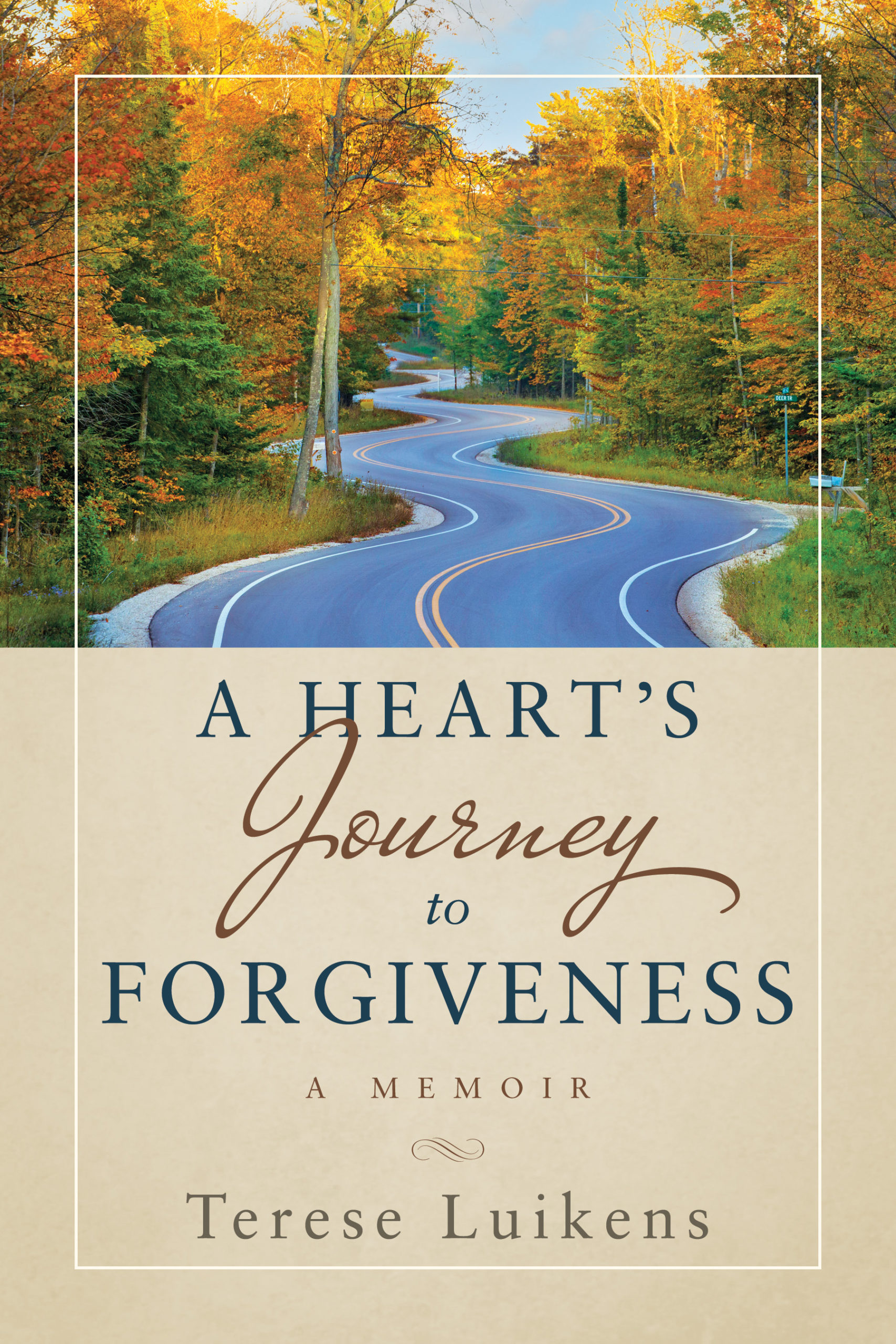
“Terese’s book, “A Heart”s Journey to Forgiveness”, left an indelible impression on me. She reveals events with such poignancy that I imagine myself being part of the experience. We may have shared similar events in our lives. Her eloquent descriptions caused me to react with my own grief. Weaving her relationship with God in many passages illustrates a sacred and humbling relationship. Many of her life lessons are timeless. I have known Terese for several decades. I am honored to be part of her life.