Why Bother Changing Our Perspective About Our Woundedness?
Our Woundedness
One of the wonderful wonders of forgiveness is that it causes us to look at our past wounding with a new perspective.
After we’ve experienced an emotional hurt, been harmed or violated in some way shape or form, we consciously or unconsciously invent coping methods to protect and guard ourselves from being hurt ever again.
Instigating our type of survival traits varies from person to person and depends on how old we were or are at the time the wound occurs. Other factors include our gender and when or if we find any emotional help to process what took place.
From personal experience, ordinary observations while hearing the stories from others, I’ve noticed that children who experience trauma and lack any kind of support from a parent, grandparent, older sibling or trusted adult have a greater chance of creating their own coping skills.
Most likely, these skills will involve the most basic of survival crafting imaginable. We might make ourselves invisible, especially around adults. We lose our voice so to speak by not verbalizing our feelings. Other modes of surviving might entail trusting only in ourselves and consequently, forfeiting deep interpersonal relationships.
Adults, on the other hand, who experience trauma, have a few more life skills under their belt and learn to maintain a presentable facade while holding down a job and raising a family. They may be dying on the inside, but they are careful not to reveal that part of themselves.
Either way, whether we encounter turmoil, pain, and anguish as a child who then grows into an adult or we encounter turmoil, pain or anguish as an adult, we will construct some kind of coping mechanisms.
When presented with the idea to forgive the one who wounded us, tension will inevitably arise within us.
Those skills that we constructed to keep us safe when we first experienced our trauma turned into a habit and a lifestyle. We’ve got an established history with staying isolated, invisible and distrusting. At first, it feels too foreign to even try to change our way of thinking.
And yet, that is precisely what forgiveness gives us the opportunity to do.
Having a forgiving frame of thought, can, if we let it, shed a new light on how we see ourselves.
Choosing to forgive, not just with our mind, but also from the heart where we’ve stored all our hurt emotions, we start to see ourselves not as a victim enslaved by our hurt, but rather as one who has been hurt. Yes, we’ve been wounded, but we are not dead which means we have the ability to learn how to live instead of just surviving.
None of this is easy, but it is doable.
Why Bother?
Why bother changing our perspective about our woundedness? If we want to change the outcome of our lives by living instead of just surviving, changing our perspective is key.
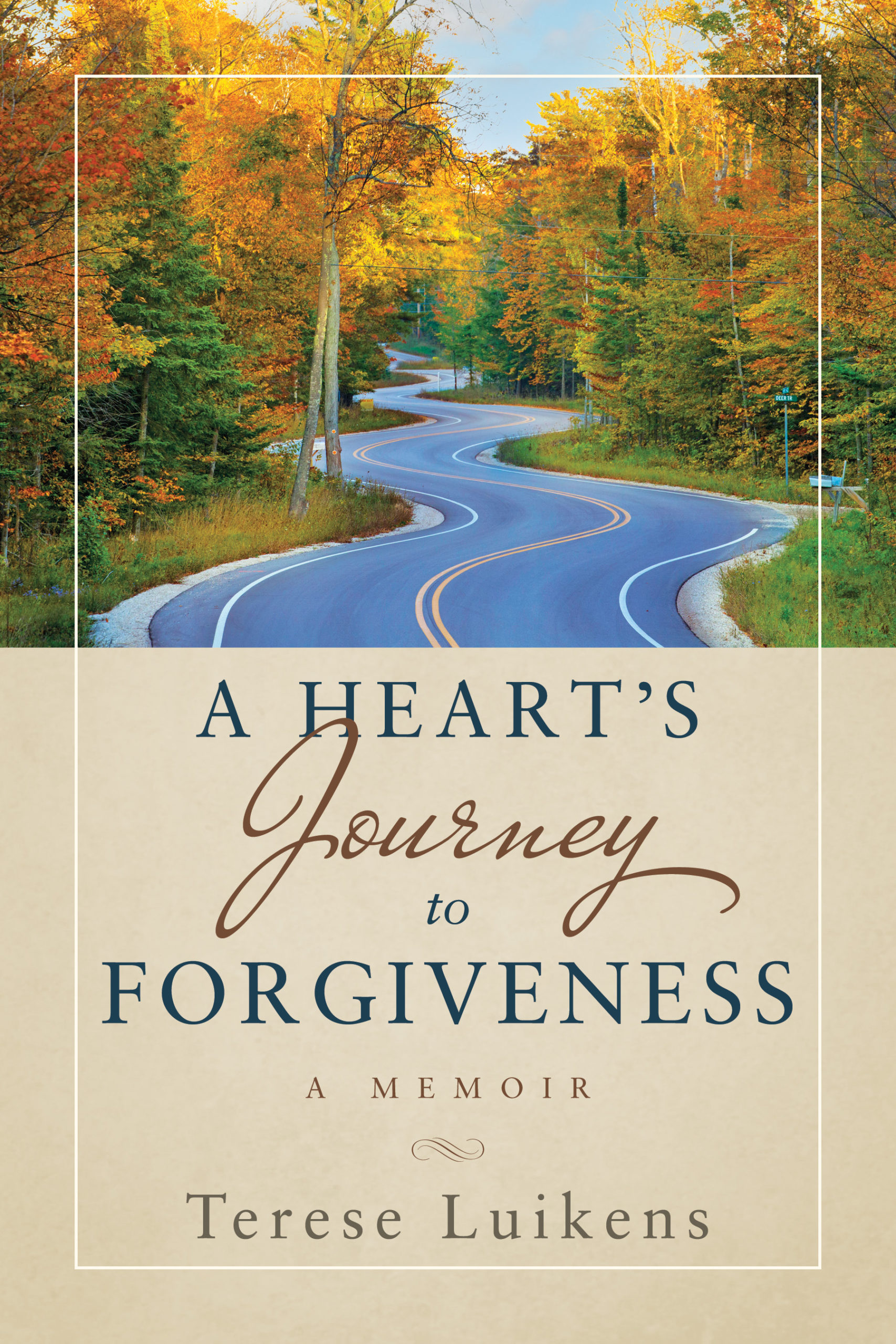
P.S. I wrote the story of my journey to forgiveness for those who need clarity when it comes to understanding forgiveness. You can find A Heart’s Journey To Forgiveness at Redemption Press and Amazon.
New Release