Why Bother Thinking About Home?
Thinking About Home
During our formative years, beginning in infancy and ending when we finally fly the coop, we are influenced by our family.
As we take the time to regard our formative years instead of disregarding them, then we understand ourselves a little better. Understanding ourselves a little better can lead to making more thoughtful choices, better decisions and extending empathy toward others.
“The greater meaning of home that we understand most purely is when we are children, when home is a metaphor for all possible feelings of security, of safety, of what is predictive, gentle and good in life.”
This quote is from Ann Quindlen’s book One True Thing, and I find that it resonates with how I think about the first home I lived in.
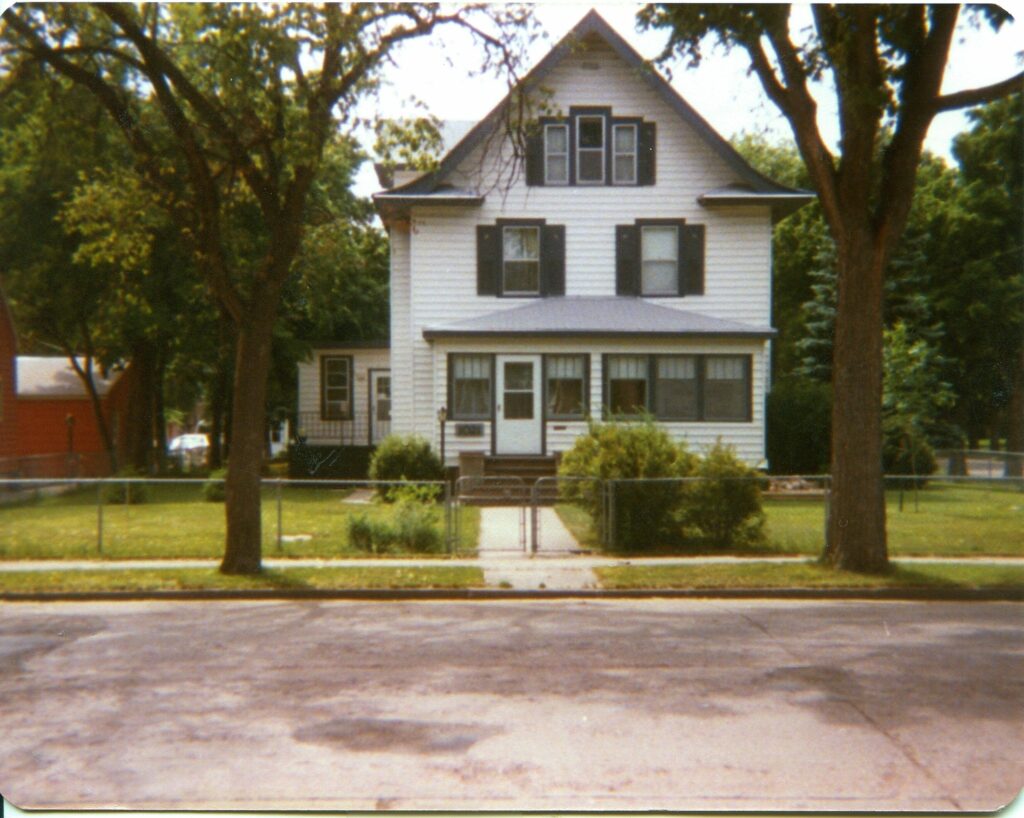
The first house I lived in gave me the greatest sense of security, safety, predictability, gentleness and goodness. I lived there for the first eight years of my life.
I was young, innocent, and naive those first eight years. Nothing bad had yet happened to me. My world was free from danger. I had the freedom to feel like a carefree kid.
My oldest brother, ten years older than me, was the only one who squabbled with Mom or Dad, or sometimes threw his football helmet down on the floor when he’d lost a game. But, that was the extent of anything upsetting that I was exposed to in those first years of my life.
But it wasn’t just the home that we lived in. We lived in the same town as our Grandpa and Grandma, aunts, uncles, and god parents. We were surrounded by good people, by the people who knew us and loved us.
Life was predictable because the people in my life were predictable. They were civil, unthreatening, and dependable.
Grandma was Grandma every time I went to her house. My godparents were my godparents every time I went and visited them. The only surprises were good ones; frosted Easter bunny cookies at Grandma’s house or a birthday card with money inside from my godparents.
When I was eight, we moved away from that town and that house to another town and another house. But we left behind all those good people I’d come to rely on. The security I’d once felt in the world began to fade.
Of course, the older I grew, the less innocent I became. I saw things that were more than likely already taking place, but now I knew about them, first hand.
In the third house we lived in, I saw Dad drunk for the first time and Mom’s untethered anger toward him. I saw Dad’s anger unleashed on my youngest brother and on one of my sisters.
In the fourth house we lived in I felt responsible. I needed to get Dad to stop drinking. So, I’d sneak down into the kitchen in the middle of the night and empty the liquor from the bottles he kept hidden on a high shelf in the kitchen. Once he stopped drinking, I thought life would go back to being golden, safe and predictable.
It was only after Dad had ended his life and by the time we moved into our sixth house, that I realized there is no going back to what was; there is only moving forward.
Why Bother?
Why bother thinking about home? Thinking about home, the one that gave us the most security, safety, predictability, and goodness helps us to remember what matters most to us. Moving forward with our own lives, we can create a home for ourselves; one that makes us feel safe, stable, and good.
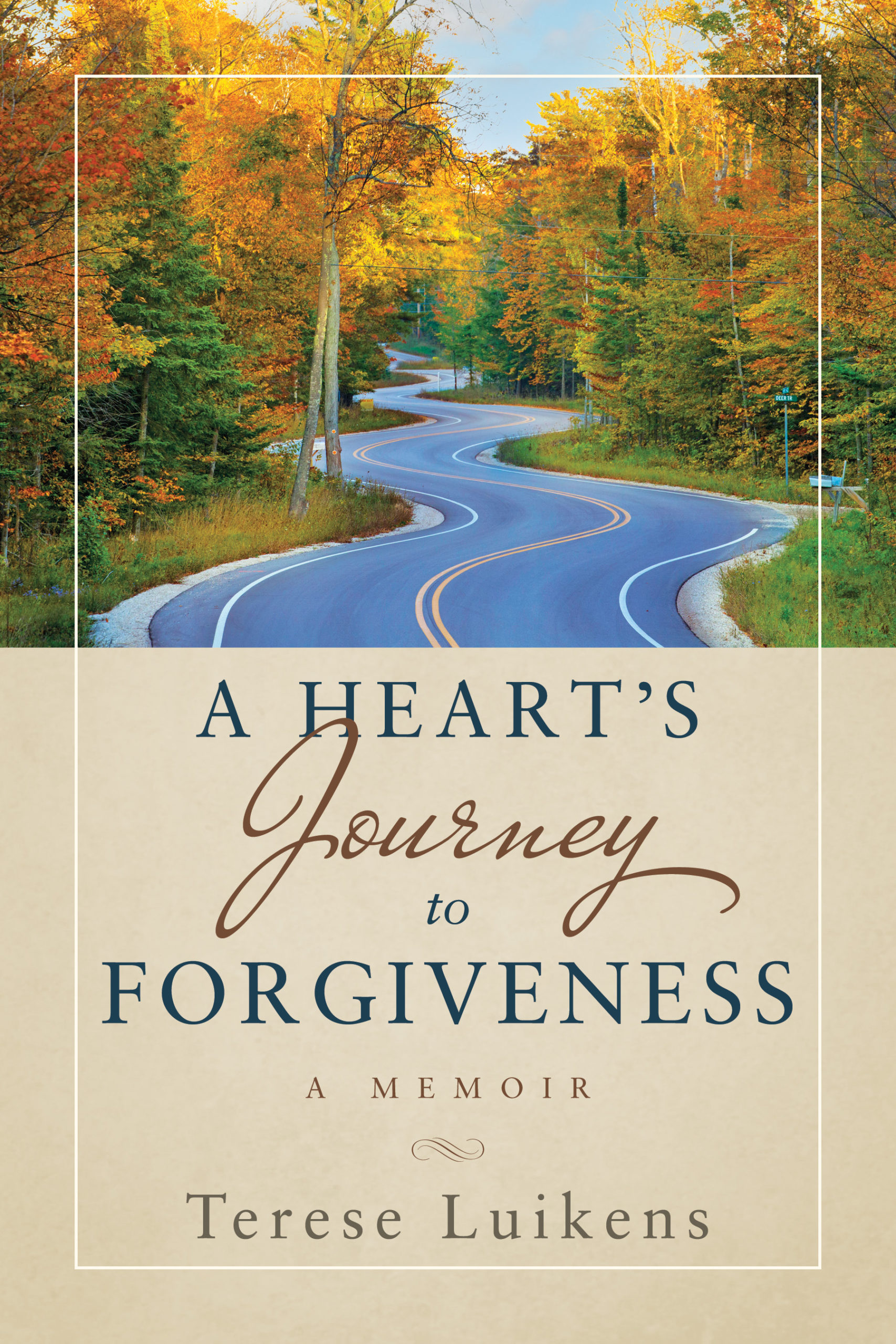
P. S. I wrote the story of my journey to forgiveness for those who need clarity when it comes to understanding forgiveness. You can find A Heart’s Journey To Forgiveness at Redemption Press and Amazon.
New Release